
Blog Detail
Essential Skills Every Caregiver Should Have
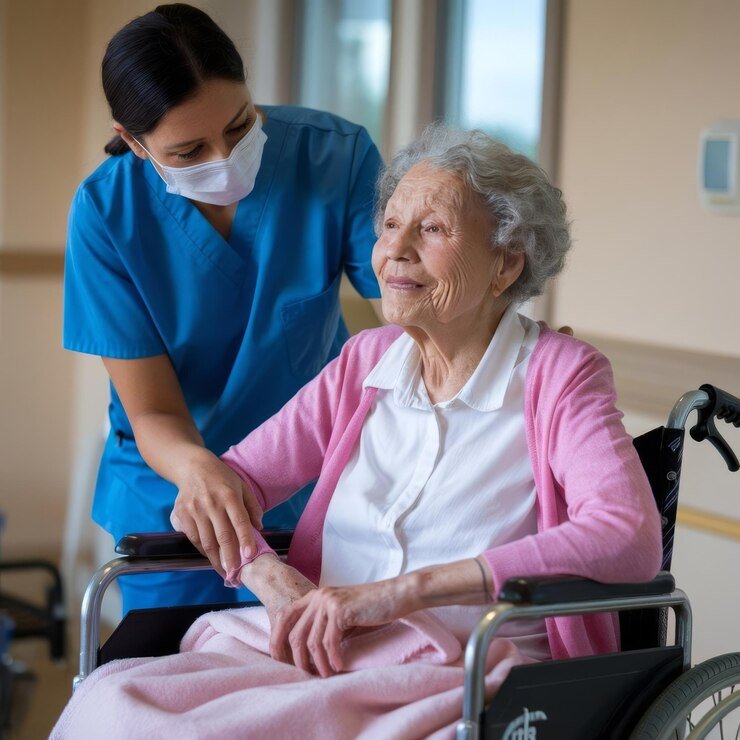
A professional caregiver must possess both technical skills and compassionate qualities to provide the best possible care and support for seniors and individuals in need. Caregiving is more than just assisting with daily activities — it requires patience, empathy, responsibility, and the ability to respond effectively to different healthcare situations.
One of the most important qualities of a caregiver is compassion. Seniors often require emotional support and companionship in addition to physical assistance. A caring and understanding attitude helps build trust, comfort, and a positive environment for those receiving care.
Strong communication skills are also essential. Caregivers must communicate clearly with patients, family members, and healthcare professionals to ensure proper care and understanding of patient needs. Good listening skills help caregivers respond appropriately and provide personalized support.
In addition to emotional qualities, caregivers need practical healthcare skills. These include assisting with personal hygiene, mobility support, medication reminders, meal preparation, and monitoring overall well-being. Knowledge of safety practices and basic emergency response is also important in handling unexpected situations confidently.

