Blog Detail
Benefits of Professional Caregiver Training
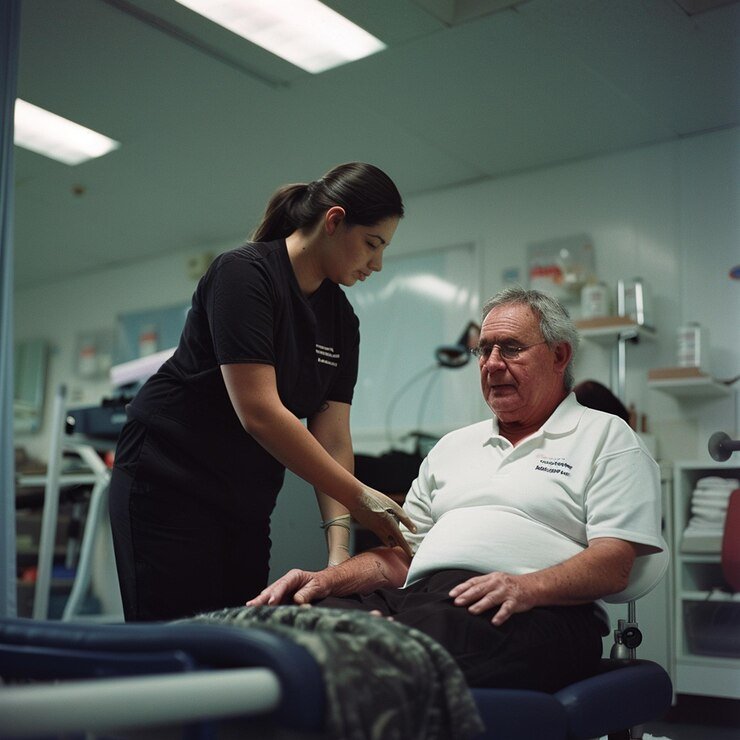
Professional caregiver training equips individuals with the knowledge and practical skills required for patient care, helping them provide safe, compassionate, and effective support to seniors and individuals in need. As the demand for qualified caregivers continues to grow, proper training has become essential for building a successful career in the healthcare support industry.
One of the major benefits of professional caregiver training is the development of practical caregiving skills. Trainees learn how to assist with daily living activities such as personal hygiene, mobility support, medication reminders, meal assistance, and patient comfort. These skills help caregivers confidently handle real-life caregiving responsibilities.
Training also improves communication and interpersonal abilities. Caregivers regularly interact with seniors, families, and healthcare professionals, making clear communication and empathy important qualities in delivering quality care. Professional training helps individuals understand how to provide emotional support and build positive relationships with patients.
Another important advantage is learning safety procedures and emergency response techniques. Caregivers are trained to identify health concerns, prevent accidents, and respond appropriately during emergencies, ensuring the safety and well-being of patients.

